Night work
A safer alert routine for late evening work
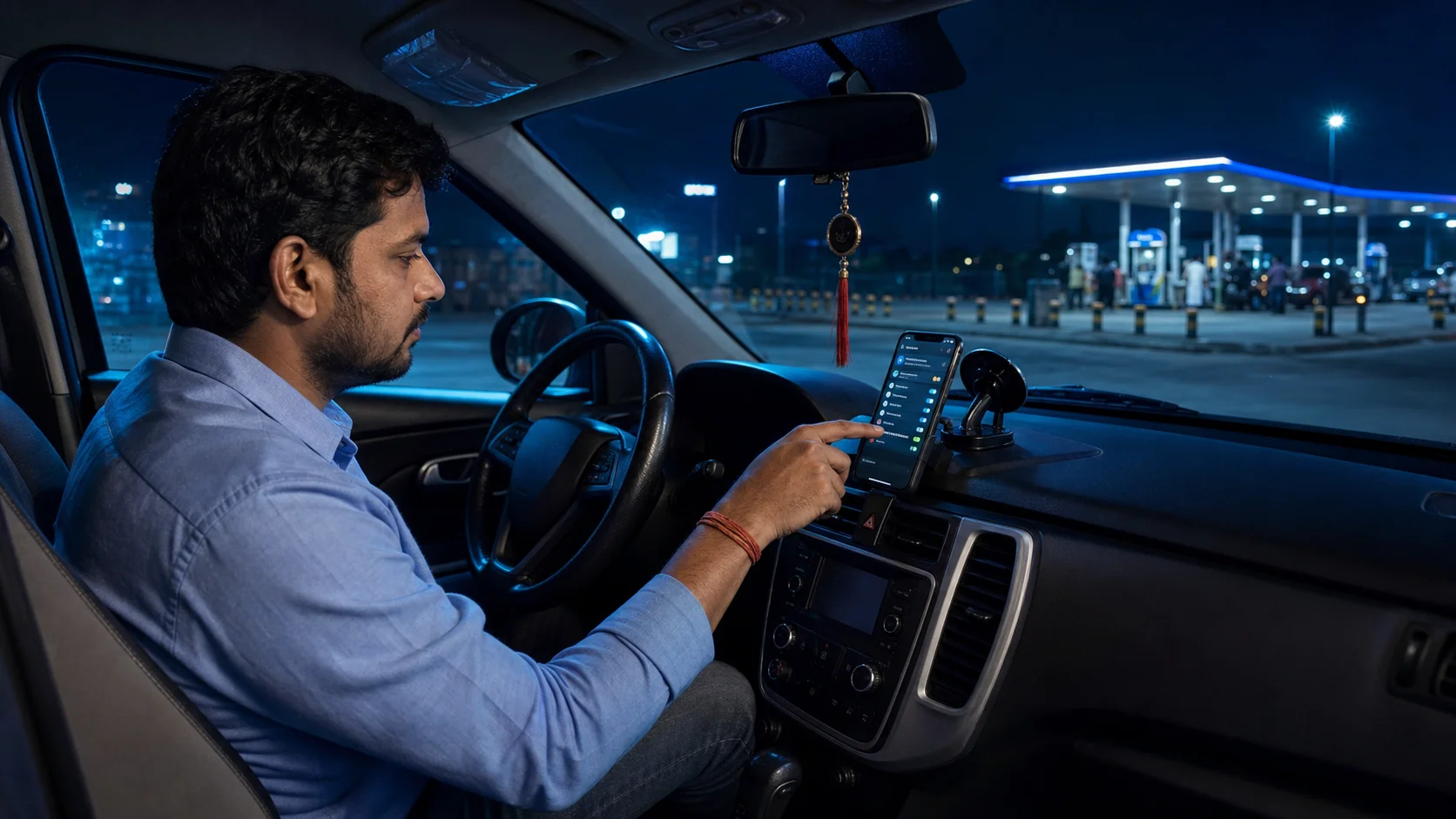
Late evening work has a different pressure. Roads may be faster, visibility is lower, and the driver has less patience for repeated phone checks. The safest routine is the one that is prepared before the car, bike, or auto starts moving.
Set the phone while parked
Before accepting work, stop in a safe place and open your setup screen. Check whether AcceptRide is running, whether the right work apps are selected, and whether notifications are visible. If anything needs changing, do it there, not at a signal and not while rolling slowly through traffic.
Reduce visual noise
At night, a bright phone can feel more distracting than helpful. Keep the screen readable, but not harsh. Avoid opening extra apps, chats, or music controls unless necessary. A clean phone makes it easier to notice the alert that matters.
Use sound carefully
Sound helps when the phone is mounted away from your eyes, but loud alerts can irritate passengers or make the shift stressful. Pick a volume that you can hear clearly while parked and in normal traffic. If you use earphones, keep local traffic rules and safety in mind.
Pause when tired
Night earnings can tempt drivers to stretch the shift too long. A tired driver reacts slower to both the road and the phone. Use natural breaks: fuel stops, tea breaks, and quiet pickup gaps. During that pause, check the app state instead of trying to manage everything while moving.
Review the last block
After one or two hours, look at the work pattern. Were the alerts useful? Did one zone give too much waiting time? Did the phone stay awake properly? AcceptRide helps by keeping the workflow visible, but the driver still decides whether the next hour is worth it.
Pick safer waiting spots
Night work becomes easier when the driver chooses waiting points carefully. A bright fuel station, a busy tea stall, a hospital gate, a hotel pickup zone, or a known market corner can be safer than stopping on a dark side road. The waiting spot should have enough light, enough space to park, and enough network signal to keep the phone connected. If the area feels uncomfortable, move before the next request arrives.
Do not wait in a place where you need to keep watching the mirror more than the phone. That kind of stress leads to rushed decisions. The phone setup should support the driver, not become another reason to feel exposed. Before late evening work, make a small list of safe waiting points in your usual city area. This habit is especially useful for drivers working near railway stations, bus stands, wedding venues, markets, and highway exits.
Separate driving time from checking time
The safest night routine is built on a simple rule: check while parked, drive while driving. Many drivers slowly roll forward while looking at the phone because traffic looks light. That habit is risky. A pedestrian, animal, speed breaker, or wrong-side vehicle can appear suddenly at night. Keep phone checks for proper stops. If a setting needs attention, pull over safely and fix it there.
AcceptRide is useful because it keeps important workflow signals closer together. Still, no app should encourage the driver to stare at the screen. Use the app to prepare the setup and understand the shift, not to replace road awareness. The calmer the setup, the less often you need to touch the phone.
Control glare inside the vehicle
For cab and auto drivers, screen glare can reflect on the windshield or side glass. This is tiring and sometimes dangerous. Place the phone where it is visible but not directly in the main line of sight. Lower extreme brightness after the setup is complete. If you use dark mode, test whether the important text remains readable. A screen that is too dim also creates a problem because the driver leans in to read it.
Bike and scooter riders face a different issue. The phone may be near streetlights, headlights, and dust. Keep the screen clean. A fingerprint-heavy screen scatters light and makes small text harder to read. Use a simple layout and avoid switching between unnecessary apps.
Prepare for calls and customer messages
Late evening customers may call more often because gates are closed, lanes are dark, or pickup points are unclear. Keep your call volume usable and your phone position reachable while parked. If you need to call back or read a message, stop first. A thirty-second safe stop is better than trying to solve location confusion while moving through dark traffic.
Drivers should also keep their language short and clear at night. Confirm the pickup point, landmark, and side of the road. If the customer location is inside a colony, ask whether the gate is open. These small checks can prevent unnecessary U-turns and long waits.
Use fatigue signals honestly
Night work can make drivers overestimate their energy. If you are missing turns, rereading the same alert, feeling irritated by normal traffic, or forgetting whether you checked a setting, take a break. These are not small signs. They show that the brain is tired. The phone may be ready, but the driver also has to be ready.
A good break does not need to be long. Park in a lit place, drink water, stretch your legs, and look at the recent work pattern. If the next hour looks weak or you feel slow, ending the shift may be the better professional decision. Earning less on one night is better than creating risk for yourself or others.
Make the last ride easier
Drivers often make mistakes near the end of a shift because they are already thinking about going home. Before accepting late work, ask a practical question: does this route take me toward a useful area, or does it leave me tired and far away? If the route pulls you toward a dark or unfamiliar location, think carefully.
Use AcceptRide history and your own memory to understand which zones make sense late at night. Some places are active but stressful. Some are quieter but safer. The right answer depends on your vehicle, city, and comfort level. A safer alert routine is not only about the phone screen. It is about planning the whole night so the phone does not become a distraction at the worst time.
A simple late evening checklist
Before moving, check service state, selected apps, phone mount, screen brightness, alert volume, battery level, and route area. Keep emergency contacts accessible. Keep enough fuel to return home without searching at midnight. Avoid unnecessary conversations on the phone while driving. Review the last block before deciding to continue. These habits sound basic, but they are what make late evening work feel controlled.
The best night setup is quiet, predictable, and safe. AcceptRide can keep the workflow organized, but the driver has to protect attention. When attention stays on the road, every alert becomes easier to handle.